

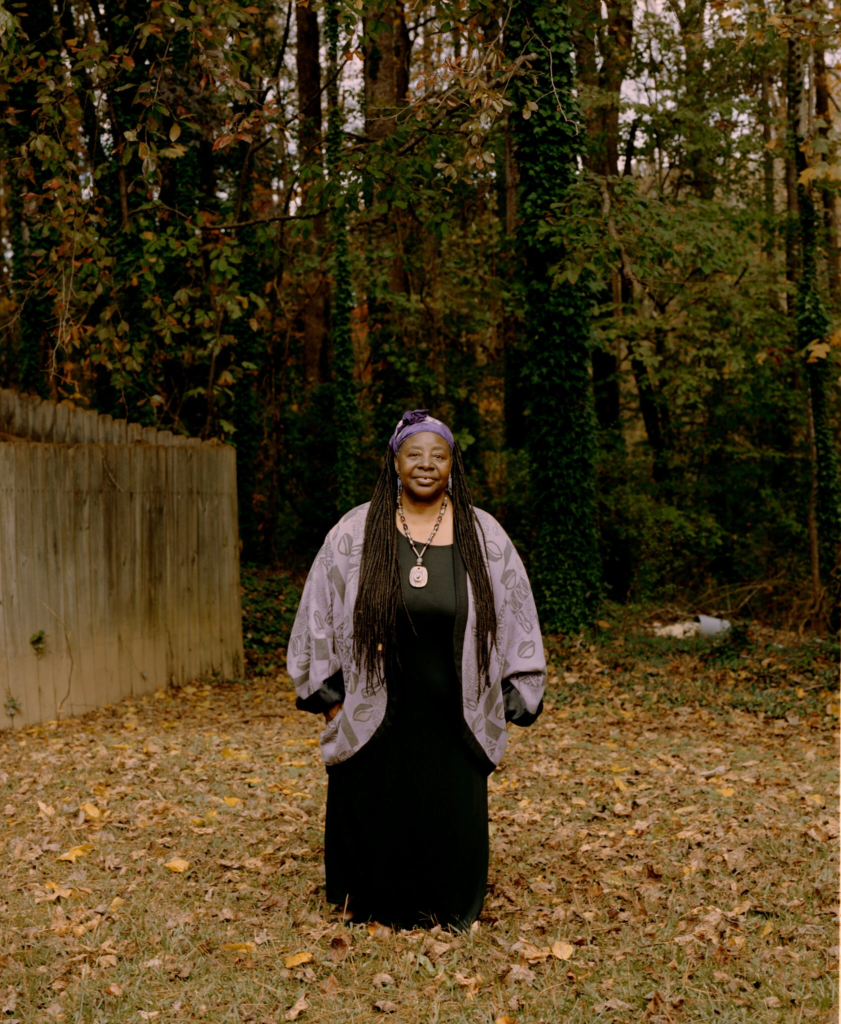
Loretta Ross is an author, academic, and radical Black feminist who currently teaches courses on human rights and white supremacy at Smith College. She believes deeply in the value of empathetic conversation — “calling in” — versus shaming, humiliating, or publicly “calling out” those with whom we disagree (or indeed those whose views we may find appalling). But she also believes there’s a limit. Professor Ross joins Ciaran O’Connor for a wide-ranging discussion on racial politics, right wing media, and when to draw a line in the sand.
Twitter: @braverangels; @LorettaJRoss; @ciaranjoconnor



8 thoughts on “Calling In, Calling Out, and Where to Draw the Line”
Thankyou for a wonderful podcast.
I just watched Cieran’s conversation with Loretta Ross, “Calling In, Calling Out.” Really appreciate the concept of calling in, finding common ground–getting past the code words which signal which group a person looks to for approval. Interesting to think about values being more important than language. I watched the 2011 movie “The Help” last week and am impressed with how Skeeter overcame barriers where she could, including with her own mother, though she suffered many relational losses as well as she stepped more deeply into the suffering of Black people in her community. She can be one of those models more recent than Abraham Lincoln that Loretta referred to us needing.
This was wonderful! I loved listening to Ms. Ross and appreciated the thoughtful questions of Mr. O’Connor. I’d like to hear more about “Racial courage” — examples??
I loved Loretta Ross. I thought her approach was well thought out. She is articulate. She is courageous. What a coalition/consensus builder she is! I’ll be looking for her book. Ill check out her website.
Bring her back on another Braver Angels podcast.
I really enjoyed this episode. I was however a bit surprised at the end when the Professor made comments about the progressives being the winners in the recent election vs. moderates. Suffice it to say this is questionable in Congress, likely not true in many States, and clearly not true for the Presidency (as discussed at https://www.chicagotribune.com/election-2020/ct-progressive-victories-2020-20200903-usdjm5bvqrdg3ntatwr5zhbbam-story.html). As such, it seems to me it would have been useful for the host to push back on this claim. The resulting discussion would have been interesting, and vastly preferable to letting the discussion turn into yet another political claim based on questionable facts.
I really liked the points:
*If you are asking people to stop hating, you need to be there for them when they do. How necessary it is to give people room to change.
*The idea of finding common ground with different kinds of people in different ways – the 90% down to the 50%ers and acknowledging the 0% when they occur.
Then at 35 minutes this became a partisan discussion, didn’t it? I had hoped we’d consistently advocate for different, thoughtful ideas, while separating those out from hate, irrationality. With progressive speakers, I find too often (in the news especially) that any thoughtful conservative/conservative idea is thrown out in the language of opposing a Republican. “We have to educate everyone…get them to see…(vote for a progressive)” Well then we aren’t encouraging their individual, thoughtful application of their values, our similar values applied and pursued differently, as Loretta hints at. Democracy is about compromise and seeking understanding; not conversion. We must drop the campaign for conversion to our ideas and seek understanding across the board while setting a standard for higher values in how we treat each other. Biden more than hinted at this today (1/20) too. Thank you for this interview.
Speaking of ‘language’ – can we please define “elites” and “tribe”. What are you really talking about? What are you referring to? What is the context?
This is the first podcast episode I’ve listened to so I want to avoid sounding as if I have reached any big conclusions. I also listened today to the talk/interview of David Blankenhorn did on the Faith and Law podcast. A few thoughts:
1. Dr. Ross approach, and this is the only time I have heard her speak, seems to be one of simply trying to win people to her positions by being a willing to talk. Her ‘calling in’ practice wherein instead of simply rejecting them, she invites people of differing views to listen to her positions is great and if they “come around” to her “correct position” then it will have been worth it. She uses language like “when they hear the truth or are presented with reality” they often change to her side but if they don’t well then they are just poor saps who don’t get it. How pompous. My question is whether she is willing to listen and be “won over” to the degree she judges others by.
2. Again, my first podcast, but I think the interviewer was anything but objective. Maybe the nature of the podcast is the interviewer does not try to be objective. Frankly though, If you are a leader of Braver Angels, I suggest you listen and recommit to the tactical practices Mr. Blankenhorn discussed rather than pander to the guest even if you personally lean in the same direction as the guest. Very disappointed in this.
This is meant to be constructive. I remain a big fan and will be getting involved with Braver Angels. I will also listen to more podcasts and other media as well as the programs and may well be my disappointment with this podcast will be tempered. In any event, I have nothing but goodwill toward both and all within the Braver Angels organization.