
By: Gabriella Kearns, Senior Fellow, Civic Storytelling
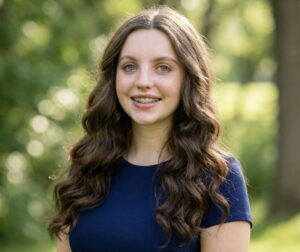
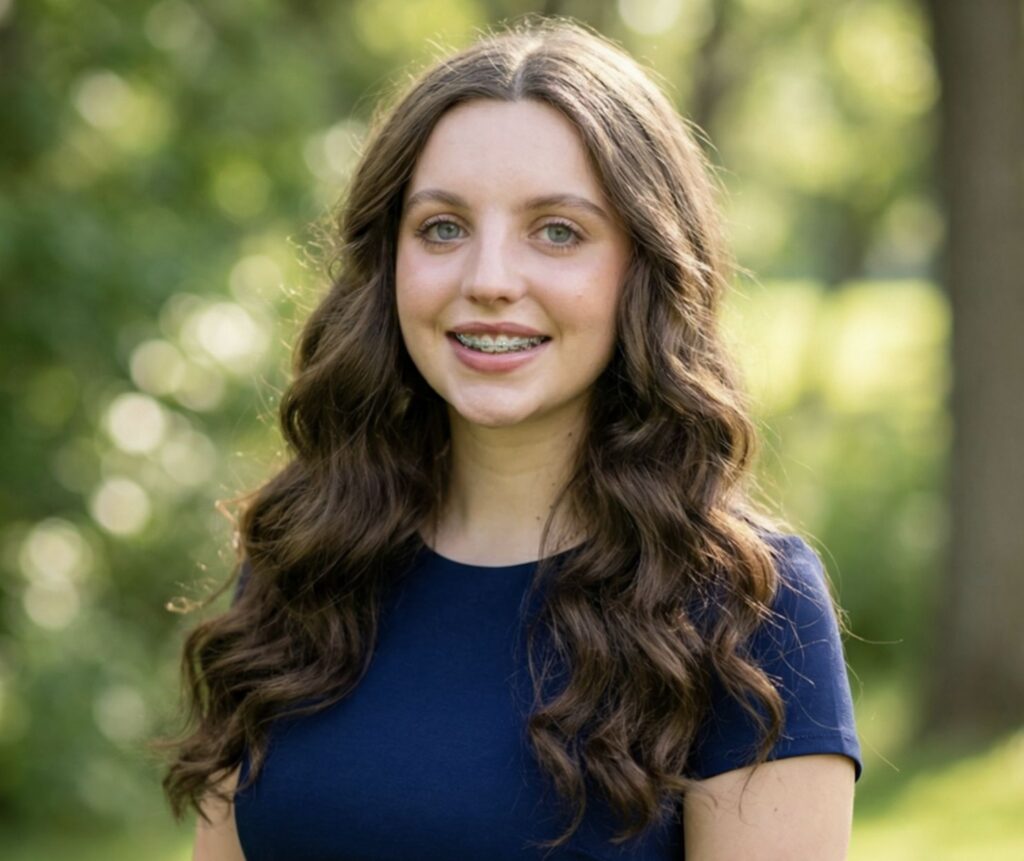
Mia Dougherty has always been interested in politics.
“From the very beginning I wanted to talk about issues. Even when I was in first grade, I remember I did this announcement on the intercom about why people should save the environment and be vegetarian,” she said. “Which is hilarious, because I’m not even vegetarian now.”
Clearly open to changing her mind, Mia was ahead of the curve when it came to having productive political conversations. There was just one problem: “Kids my age didn’t really want to have the depth of discussion I always wanted to have,” she said. So, when she was just ten years old, her mom enrolled her in Braver Lens, a Braver Angels program that explored the political divide through photography. Here, she was talking to people she never could’ve imagined.
“When we met, they showed their pictures, and explained their life stories, and I was able to see where our values overlap.”
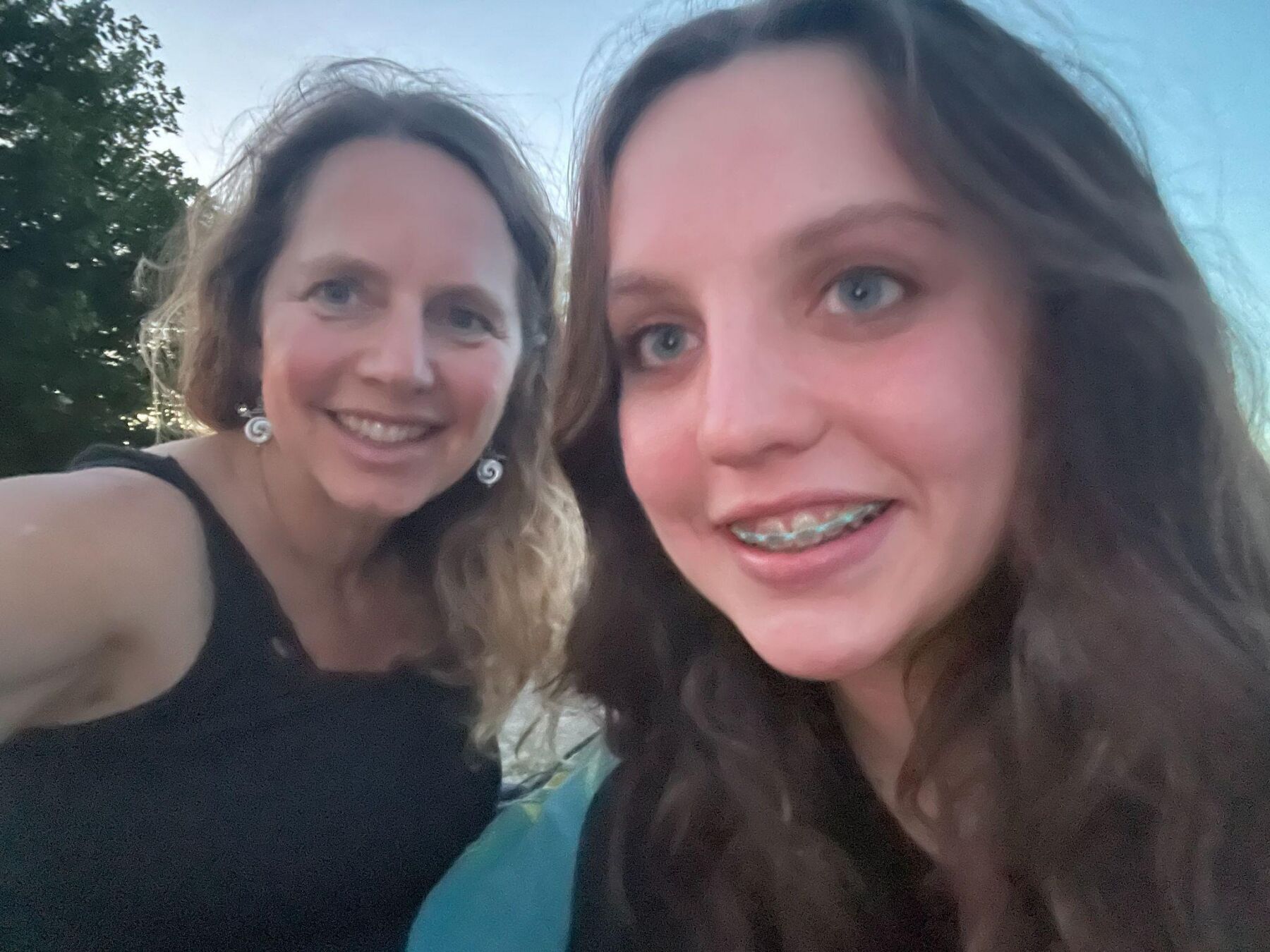
A native of Boulder, Colorado, Mia didn’t know many Trump supporters—and she was nervous to engage with them. “I was like, ‘Don’t they hate women? Don’t they hate black people?’” she said. “That was my initial belief because that’s what I had heard about people who voted for Trump.” But she quickly realized she was wrong. During the first Braver Lens session, Mia was able to connect with conservatives in the group and recognize their points of commonality. “When we met, they showed their pictures, and explained their life stories, and I was able to see where our values overlap,” she said.
As the youngest participant in the program, she thought other kids could benefit from having similar conversations. So, she teamed up with Roman Williams, founder of Interfaith Photovoice and co-creator of Braver Lens, to develop a version for teens and preteens and pulled her friends in to participate. There, they were asked to take pictures that represent their lives and values, and then—since it was during the pandemic—they’d meet once a week on Zoom to discuss them. “Kids weren’t as ready to talk about heavy political stuff, which is natural,” Mia said. “So it was a lot of pictures of their family and where they grew up, and it was just a way that we could talk to each other about our different experiences through art, which was really cool.”
“We’re teaching people empathy. To listen to understand why people believe what they do—even if you don’t agree with their perspective.”
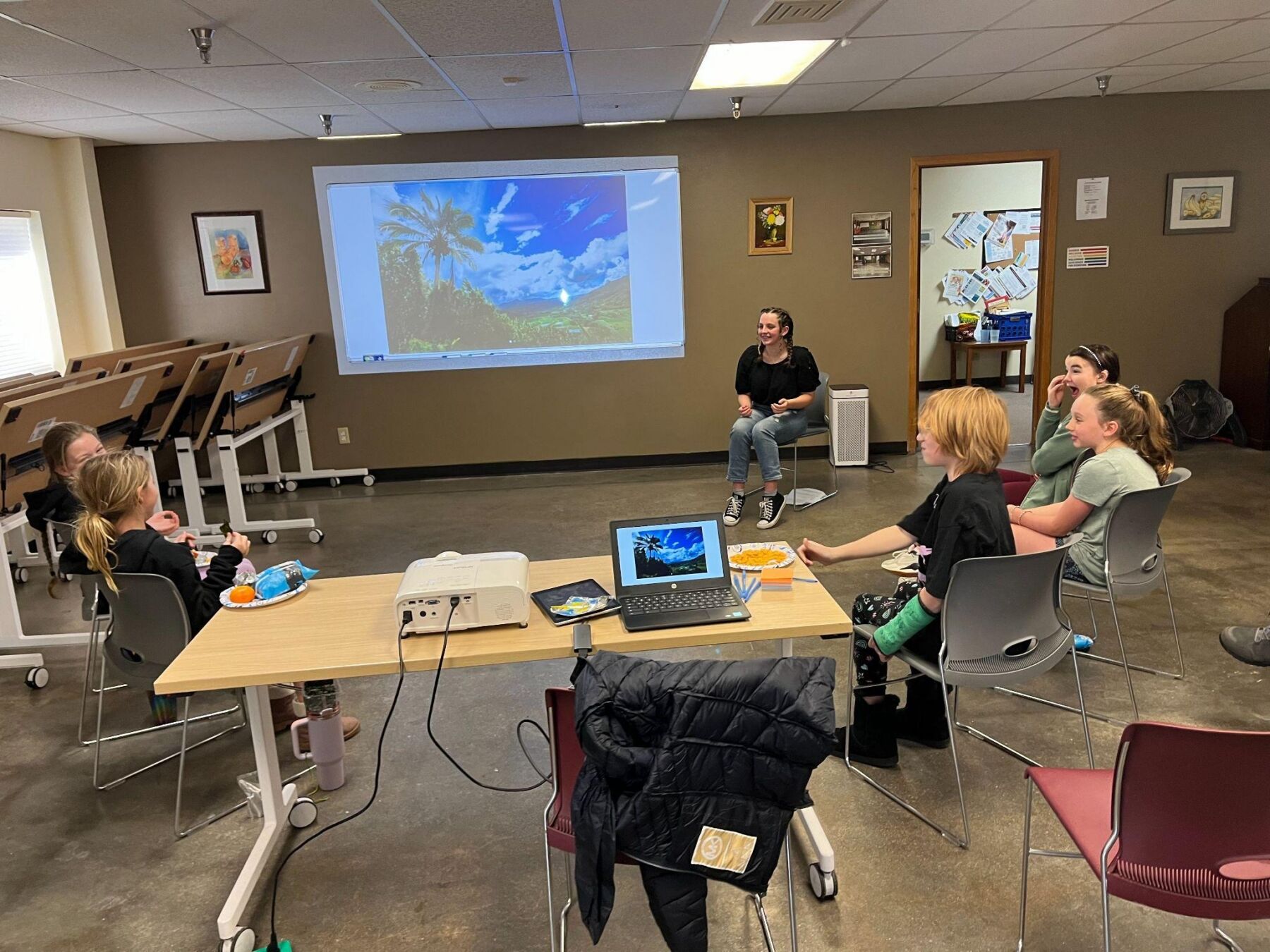
Once Mia entered high school, she knew she wanted to bring more Braver Angels-type programming to her peers, so she started a club for kids at her school. Instead of structuring the conversation around photos—which Mia emphasized works great for younger kids—this club runs more like a discussion group, where they choose a political topic and dig into it together.
Since there is so much competition for students’ attention, the club meets monthly and is always sure to have free food and an interesting topic to explore. (Their last discussion was on whether athletes and celebrities should weigh in on politics.) “Getting kids to come is like 70% of the work,” Mia said. But once they’re there, they’re often glad they came. “I have had people come up to me and be like, ‘That was so fun, like I really want to do that again,’” she said. “That just makes me so happy because I feel like it’s engaging kids and making them feel heard.”
It’s also different from what they’re used to. Within the classroom, Mia’s high school focuses on Socratic-style seminars, where students are graded based on how much they participate. “It’s like competitive talking,” she said. “If you talk three times, you get a 100, so people are talking just to talk and not always to listen, really.” Within Mia’s discussion group, they’re taking a different approach. “We’re teaching people empathy,” she said. “To listen to understand why people believe what they do—even if you don’t agree with their perspective.”
“I’ve been able to guide the discussion to have that back and forth, to get people thinking about what it might be like to be on the opposite side.”
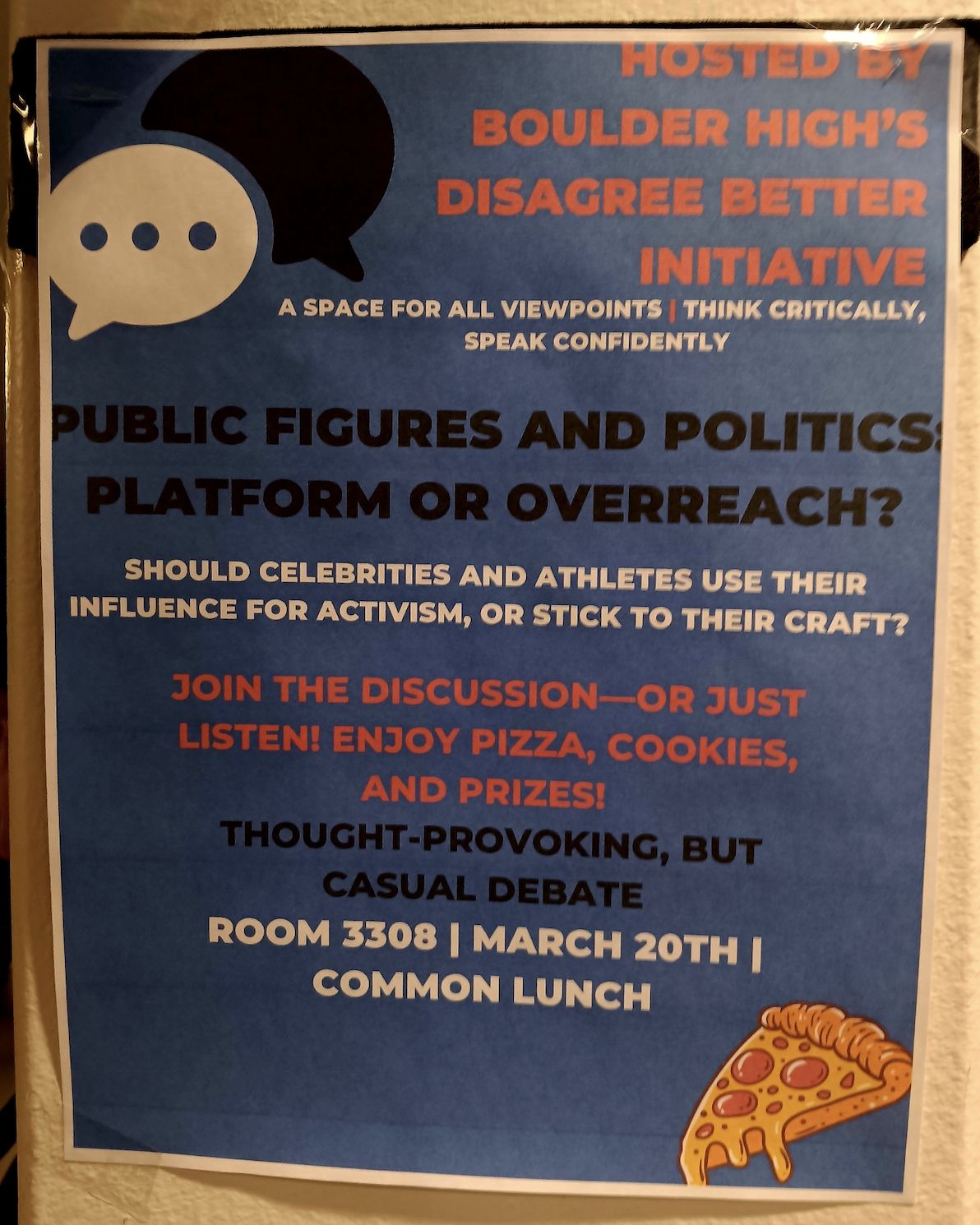
Here, they’re not telling people what to think, but showing them how to think. “A lot of kids who come haven’t fully formed their opinions on everything,” she said. “So part of it is teaching kids how to form educated opinions.” In order to ground the conversation, Mia does a ton of prep work ahead of time—deeply researching the issue and bringing in guiding questions, along with a balance of statistics, should people want them.
Mia also makes a point to bring in conservative perspectives since her school is predominantly liberal. “I’ve been able to guide the discussion to have that back and forth, to get people thinking about what it might be like to be on the opposite side,” she said. “And we always wrap up our discussions thinking of possible solutions that will appease both sides, which is always fun.”
Still, it’s not always easy.
In such an intense political climate, it’s understandable why people—young people, especially—might feel skeptical, or see barriers that prevent them from engaging. “I have had friends who say, ‘There are conservatives who don’t want me to exist,’” Mia said. “I think part of it is opening dialogue to realize that maybe it’s not that they don’t want you to exist, but maybe they don’t just agree with some of the choices and the laws that are being made surrounding this issue.”
“When I started the club, I was very nervous that people were going to get really offended and cancel it, but I haven’t had any of that.”
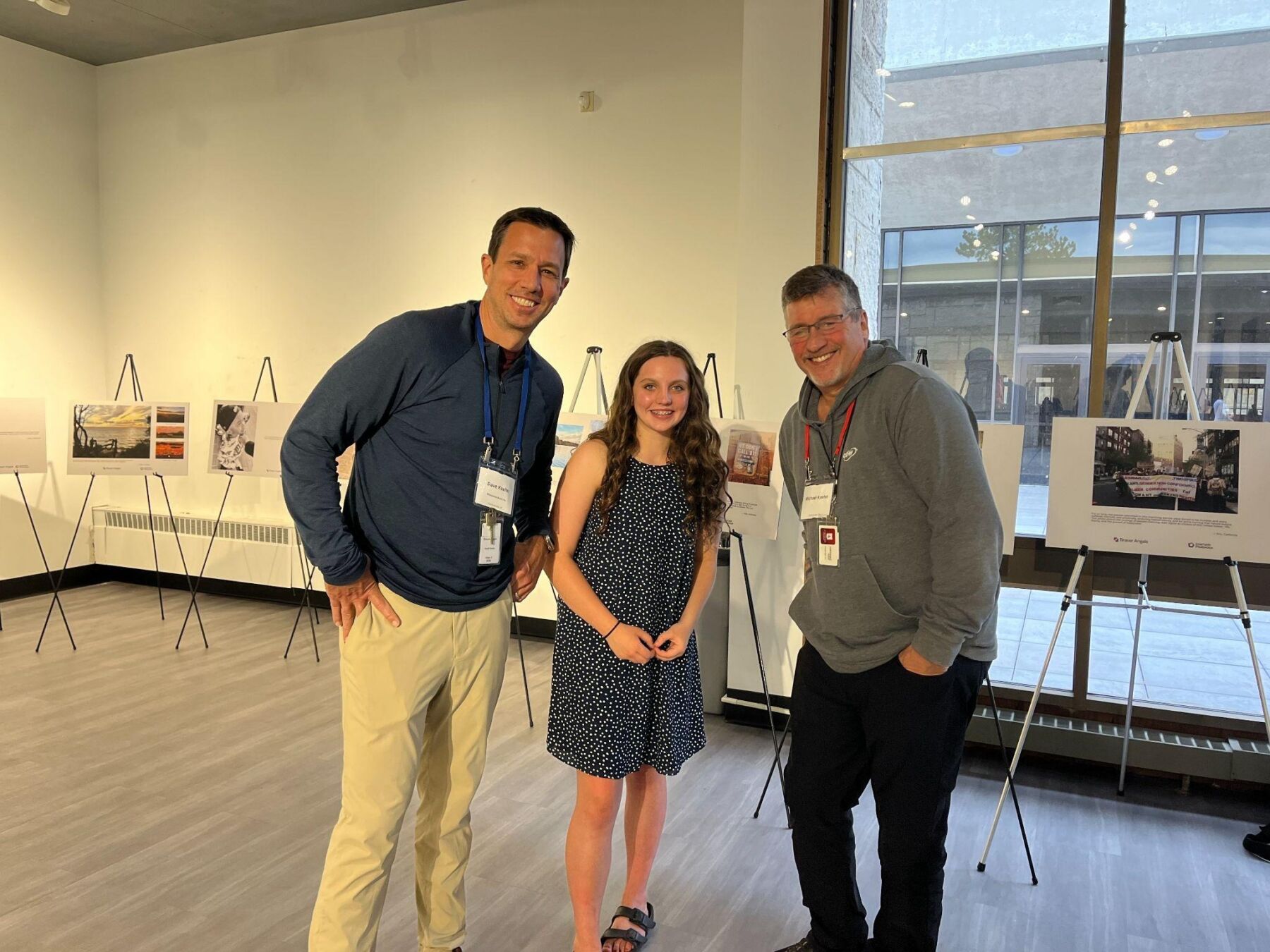
In moments like these, Mia is able to lean on what she’s learned through Braver Angels.
“Braver Angels has taught me that there’s a story behind every person’s political belief,” she said. “Most people in America are not as transphobic or racist as you think, but I feel like having conversations is the only way to come to that.”
Despite the occasional challenge or pushback, leading these discussion groups has given Mia a lot of hope. “People talk about Gen Z as being like way woke, that they’re just like past the point of no return,” she said. “Among my high school friends, they honestly are very open-minded, even if they’re very liberal. They’re willing to listen to other perspectives, and they’re having fun.”
As someone who’s passionate about politics, Mia is committed to creating an environment where everyone—no matter what they believe or how strongly they believe it—can come, contribute, learn, and be heard. And being able to create a space to do that has been the greatest surprise of all. “When I started the club, I was very nervous that people were going to get really offended and cancel it, but I haven’t had any of that,” she said. “I just feel like people have been so much less fragile than I thought they would be.”
Through these conversations, Mia has come to appreciate the malleability of her peers—a mental flexibility she, of course, shares. After all, Mia’s political conversations have come a long way from where they started six years ago. “At the end of the day, Braver Angels really helped me to see the humanity in people from the other side,” she said “And I think it’s forever changed me in that way.”